Table of Contents
Toggle10 Evidence-Based Ways to Support Your Immune System Naturally
Author: RVLNSV PRASAD
Updated On: September 2026
About Us
Author Bio
Editorial Policy
Contact Us
Introduction
Your immune system does not need a magical “boost.” It needs consistent support.
That distinction matters because many products promise to strengthen immunity overnight, yet the immune system is a highly complex network involving cells, tissues, organs, barriers, and signaling systems. No single food, drink, herb, or supplement can make you permanently resistant to infection.
The better approach is to build daily habits that help your body maintain normal immune function. Eating a varied diet, sleeping adequately, staying physically active, avoiding tobacco, limiting excessive alcohol, managing stress, and following recommended vaccination guidance all have different roles.
The CDC’s updated September 2026 guidance makes an important distinction: healthy habits can help your immune system work better, but they do not train your body to recognize specific diseases. Vaccines provide that disease-specific protection. CDC guidance on supporting immune health
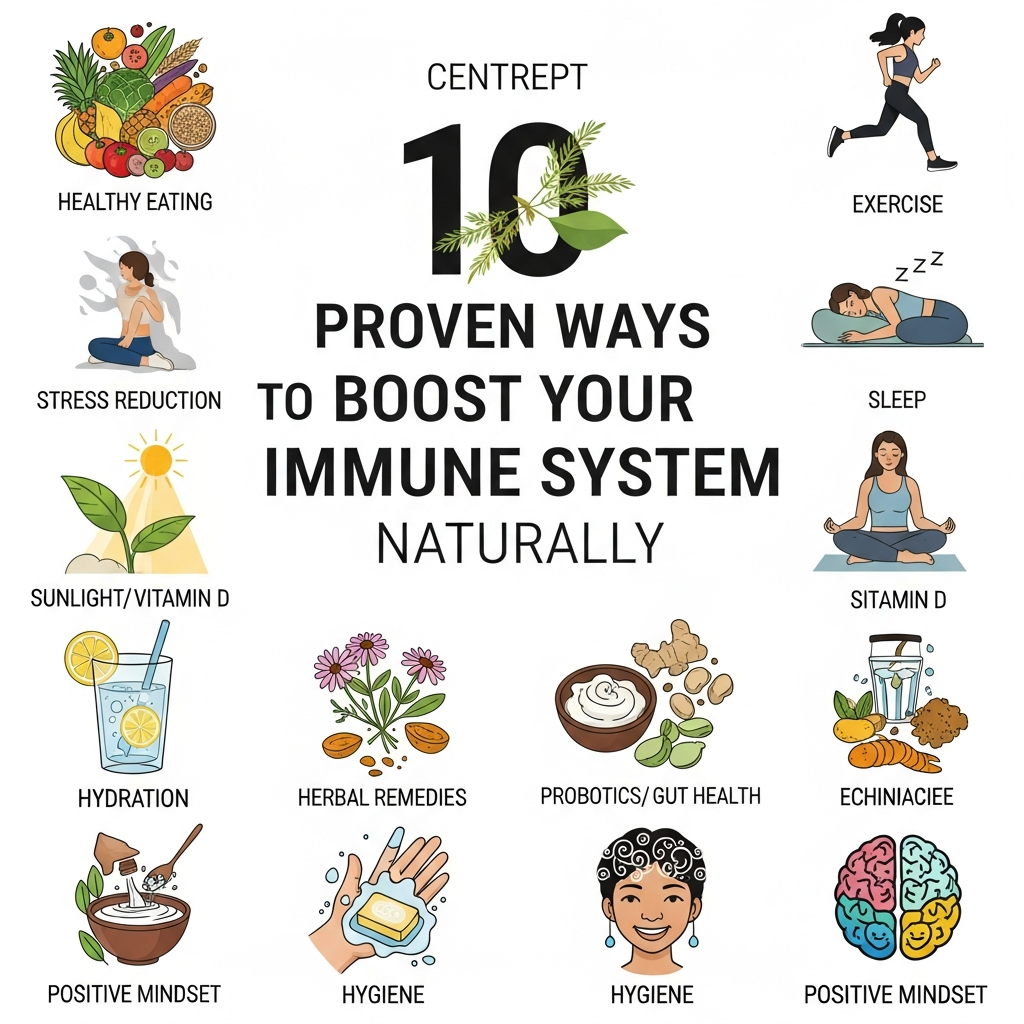
This article explains 10 evidence-based ways to support your immune system naturally, including practical strategies that are realistic for everyday life and particularly easy to adapt to Indian meals and routines.
Quick Answer
The most reliable natural ways to support immune health are to:
- Eat a varied, nutrient-dense diet.
- Get adequate sleep consistently.
- Stay physically active.
- Manage chronic stress.
- Work toward a healthy weight when appropriate.
- Support gut health through dietary variety and fiber.
- Avoid smoking and excessive alcohol.
- Practice infection-prevention habits.
- Correct genuine nutrient deficiencies rather than taking unnecessary supplements.
- Maintain healthy routines and social connection.
These habits support normal immune function, but they cannot guarantee that you will never become sick.
The immune system also depends on factors you cannot completely control, including age, genetics, medical conditions, medications, previous infections, and environmental exposures.
Key Takeaways
- There is no scientifically established food that permanently “supercharges” immunity.
- A varied diet supplies nutrients required for normal immune function.
- Sleep is closely connected with immune regulation and recovery.
- Regular physical activity is associated with multiple health benefits and may support immune function.
- Smoking and excessive alcohol consumption can negatively affect immune health.
- Gut health is influenced by overall dietary patterns rather than one “superfood.”
- Supplements are most useful when they address inadequate intake or a diagnosed deficiency.
- Hand hygiene reduces exposure to infectious organisms; it does not directly make immune cells stronger.
- Vaccination and healthy lifestyle habits perform different but complementary roles.
- Frequent, severe, or unusual infections deserve medical evaluation rather than simply adding more supplements.
What Does “Boosting Your Immune System” Actually Mean?
The phrase “boost your immune system naturally” is popular, but it can be misleading.
Your immune system is not like a battery that can simply be charged to 100%.
It has multiple components that need to work together. Physical barriers such as the skin and digestive tract help prevent harmful organisms from entering the body. Immune cells identify and respond to threats, while adaptive immunity can develop more specific protection after exposure or vaccination.
The NIH Office of Dietary Supplements explains that immune function depends on many nutrients, including vitamins A, B6, B12, C, D, E, and K; folate; copper; iodine; iron; magnesium; selenium; and zinc. At the same time, having more of a nutrient than your body needs does not necessarily produce stronger immunity. NIH Office of Dietary Supplements: Immune Function and Infectious Diseases
So a more accurate goal is
Support your immune system rather than trying to overstimulate it.
That change in wording also makes your health strategy more realistic.
1. Eat a Varied, Nutrient-Dense Diet
Food is one of the most practical foundations of immune health.
Your immune cells require energy, protein, vitamins, minerals, and other compounds to function normally. A restrictive diet that consistently lacks important nutrients can therefore become a problem.
The goal is not to find one “immune-boosting” food.
Instead, build variety across the week.
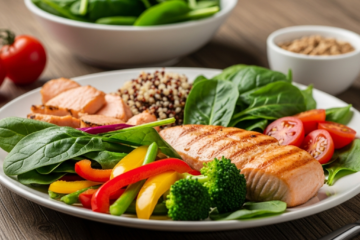
A balanced eating pattern can include:
| Food group | Practical examples |
|---|---|
| Vegetables | Spinach, carrots, tomatoes, cauliflower, beans, gourds |
| Fruits | Guava, oranges, bananas, papaya, apples |
| Protein | Dal, chickpeas, beans, eggs, fish, yogurt, paneer, lean meats |
| Whole grains | Oats, whole-wheat roti, brown rice, millet |
| Nuts and seeds | Peanuts, almonds, walnuts, flaxseed |
| Healthy fats | Nuts, seeds, and appropriate amounts of vegetable oils |
| Fermented foods | Yogurt or other traditionally fermented foods where appropriate |
WHO recommends a varied diet containing foods such as vegetables, fruits, legumes, nuts, and whole grains while limiting excess salt, free sugars, and unhealthy fats. WHO Healthy Diet guidance
For Indian readers, this does not mean abandoning familiar foods.
A simple meal of dal + vegetables + roti or rice + curd can be part of a nutrient-dense pattern. WHO India similarly emphasizes combinations of staple foods, legumes, vegetables, fruits, and suitable animal-source foods according to individual needs and local dietary customs. WHO India Healthy Diet guidance
A Simple “Color + Protein + Fiber” Rule
When building a meal, ask:
- Do I have a colorful plant food?
- Do I have a useful protein source?
- Do I have a fiber-rich carbohydrate or vegetable?
This simple check is often more useful than searching for a single immune-supporting ingredient.
2. Prioritize Adequate Sleep
Sleep is sometimes treated as optional when work, family responsibilities, or entertainment become demanding.
Your immune system does not view it that way.
The CDC states that most adults need at least seven hours of sleep each night and notes that losing even a few hours can weaken immune defenses and affect vaccine responses. CDC immune health and sleep guidance
Research also continues to examine the relationship between sleep loss, inflammation, and immune regulation. A 2026 meta-analysis involving 35 studies and 887 participants found that repeated partial sleep deprivation was associated with increases in inflammatory markers such as IL-6 and C-reactive protein, although the researchers noted that the effects of a single night were different from those of persistent sleep restriction. 2026 systematic review and meta-analysis of sleep deprivation and inflammation
That is an important distinction.
You do not need to panic after one poor night.
The bigger concern is a repeated pattern of insufficient or disrupted sleep.
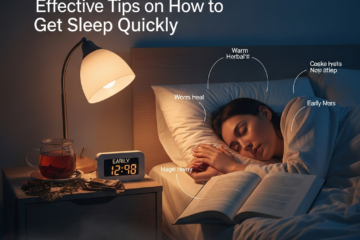
Try a “Sleep Protection Zone.”
Instead of simply telling yourself to “sleep more,” protect the final part of your evening.
For example:
- Reduce unnecessary notifications.
- Finish demanding work earlier when possible.
- Keep your bedroom comfortable and dark.
- Avoid turning bedtime into a second work session.
- Maintain a reasonably consistent sleep schedule.
- If you regularly struggle with sleep, address the underlying problem rather than relying on supplements.
This is a more realistic way to support immune health than searching for an overnight immune booster.
3. Stay Physically Active
Movement is another important part of overall immune-supportive health.
The CDC reports that regular physical activity provides broad benefits and notes that emerging research suggests physical activity may also benefit immune function. CDC physical activity guidance for adults
However, more exercise is not automatically better.
You do not need extreme workouts to support your health.
Walking, cycling, swimming, resistance training, yoga, and other activities can all contribute to an active lifestyle.
A 2025 systematic review and meta-analysis examined 17 randomized controlled studies involving 502 participants and found that long-term aerobic exercise affected some immune components, although the findings were not uniform across healthy and diseased populations. That is a useful reminder that exercise has complex effects rather than simply “raising immunity.” 2025 systematic review of aerobic exercise and immune components
A Practical Weekly Approach
If you are currently inactive, start smaller.
For example:
| Situation | Practical starting point |
|---|---|
| Very inactive | 10-minute walks |
| Somewhat active | 20–30 minutes of walking most days |
| Comfortable with exercise | Add resistance training. |
| Already training regularly | Balance hard sessions with recovery. |
| Joint discomfort | Choose lower-impact activities. |
The objective is consistency.
You can also read about the broader benefits of exercise in your related guide on the best health benefits of exercise.
4. Manage Chronic Stress Without Trying to Eliminate All Stress
Stress is part of normal life.
The goal is not to create a completely stress-free existence.
Instead, learn ways to recover from repeated stress.
Long periods of psychological stress, poor sleep, and unhealthy coping behaviors can overlap and create a cycle that makes healthy routines harder to maintain.
That is why stress management belongs in an immune-health strategy even though it should not be marketed as a direct immune “booster.”
Useful options include:
- Slow breathing.
- Walking outdoors.
- Meditation.
- Yoga.
- Regular physical activity.
- Talking with supportive people.
- Setting realistic work boundaries.
- Taking short breaks during demanding days.
- Maintaining enjoyable activities.
If stress is affecting sleep, eating, work, or relationships for a prolonged period, it may be more useful to address the underlying problem than to keep adding wellness products.
You can also explore natural ways to reduce anxiety and stress daily as part of a broader stress-management routine.
5. Maintain a Healthy Weight When Appropriate
Body weight and immune function have a complicated relationship.
The issue is not simply that a particular number on a scale determines immune health.
The CDC notes that obesity is associated with impaired immune function and that maintaining a healthy weight can be supported through nutritious eating, physical activity, adequate sleep, and other healthy behaviors. CDC healthy habits and immunity guidance
This does not mean you should pursue rapid weight loss in the name of immunity.
Crash diets can make eating patterns less nutritious and may be difficult to sustain.
A better approach is gradual improvement in overall lifestyle quality.
If weight management is relevant to you, focus on:
- More vegetables and fruits.
- Adequate protein.
- High-fiber foods.
- Regular physical activity.
- Reasonable portions.
- Fewer highly processed foods.
- Adequate sleep.
- Sustainable eating habits.
Weight should be treated as one part of health, not as a measure of personal worth.
6. Support Gut Health Through Dietary Variety
The gut and immune system are closely connected.
But this does not mean that eating one spoonful of a particular fermented food will “repair” your immunity.
The digestive tract contains physical barriers and immune components, while the gut microbiome interacts with diet and host biology.
Recent research continues to explore how dietary patterns influence the gut microbiome and how those changes may affect immune, nervous, and metabolic systems. A 2025 review highlighted both the potential importance of these interactions and the remaining gaps in translating microbiome research into precise dietary advice. 2025 review of nutrition, gut microbiome and human health
This leads to a useful people-first strategy:
Feed the Pattern, Not the Hype
Instead of buying an expensive probiotic product immediately, first look at the overall diet.
Try increasing variety through:
- Lentils.
- Chickpeas.
- Beans.
- Oats.
- Whole grains.
- Vegetables.
- Fruits.
- Nuts and seeds.
- Yogurt with live cultures when appropriate.
- Other culturally familiar fermented foods.
Research on diet, microbiome, and immunity is developing rapidly, and effects can vary between individuals. 2025 umbrella review on diet–gut microbiome research
The 3-Plant Challenge
One simple habit is to include at least three different plant foods across your main meals.
For example:
Breakfast: oats + banana
Lunch: dal + spinach + tomato
Dinner: chickpeas + mixed vegetables
You do not need an expensive “superfood” collection.
Variety is the point.
7. Avoid Smoking and Excessive Alcohol
This is one of the less glamorous immune-health strategies, but it is important.
Smoking exposes the respiratory system and the body more broadly to harmful substances and can interfere with normal immune defenses.
The CDC specifically lists quitting smoking among habits that support immune health. It also notes that excessive alcohol consumption can weaken the immune system over time. CDC healthy habits and immunity guidance
This is a useful example of why immune health should not be reduced to food.
Someone can eat berries, drink herbal tea, and take vitamin C supplements while continuing to smoke heavily.
That is not a balanced immune-health strategy.
If you smoke, reducing exposure and seeking evidence-based support for quitting can have far greater health significance than adding another supplement.
8. Practice Infection-Prevention Habits
Handwashing does not “strengthen your immune cells.”
It performs a different job.
It helps reduce your exposure to microorganisms that can cause infection.
That distinction is important because immune support and infection prevention are not the same thing.
Practical habits include:
- Wash hands before eating.
- Wash hands after using the toilet.
- Clean hands after coughing or sneezing.
- Avoid touching your eyes, nose, and mouth with unwashed hands.
- Improve ventilation in crowded indoor environments when appropriate.
- Follow food-safety practices.
- Stay home or limit close contact when you are clearly infectious, where practical.
These habits reduce opportunities for pathogens to enter your body.
They do not make you “immune” to infection.
9. Correct Nutrient Deficiencies Instead of Chasing Mega-Doses
This is one of the most important distinctions missing from many online immune-health articles.
Your immune system requires adequate nutrients.
But that does not mean everyone needs high-dose supplements.
The NIH Office of Dietary Supplements explains that deficiencies of certain nutrients can impair immune function, while increasing vitamin and mineral intake through supplements generally does not prevent infections or speed recovery when a person is not deficient. NIH immune-function supplement guidance
Potentially important nutrients include:
- Vitamin C.
- Vitamin D.
- Zinc.
- Vitamin A.
- Vitamin B12.
- Folate.
- Iron.
- Selenium.
- Magnesium.
- Vitamin E.
The appropriate amount depends on the individual.
When Testing May Make More Sense
A healthcare professional may consider your diet, symptoms, medications, medical conditions, and risk factors before recommending testing or supplementation.
This can be particularly relevant when someone has:
- A restrictive diet.
- A condition affecting nutrient absorption.
- Persistent fatigue or other concerning symptoms.
- A history of nutrient deficiency.
- Certain gastrointestinal conditions.
- Increased nutritional requirements.
Supplements should complement nutrition rather than replace it. Mayo Clinic similarly notes that supplements are intended to complement a healthy diet and may be useful when dietary intake is inadequate or certain conditions create increased needs. Mayo Clinic guidance on nutritional supplements
10. Maintain Healthy Relationships and Daily Routines
Immune health is not only about food and exercise.
Your daily routine influences sleep, stress, movement, eating patterns, and recovery.
Supportive relationships can also make healthy habits easier to maintain.
For example, walking with a family member may provide physical activity and social connection at the same time.
Preparing a healthy meal together can improve diet quality without making healthy eating feel like another task.
This is the people-first side of immune health.
Instead of asking:
“What supplement should I take?”
Try asking:
“What part of my daily routine is making healthy behavior difficult?”
That question often produces a more useful answer.
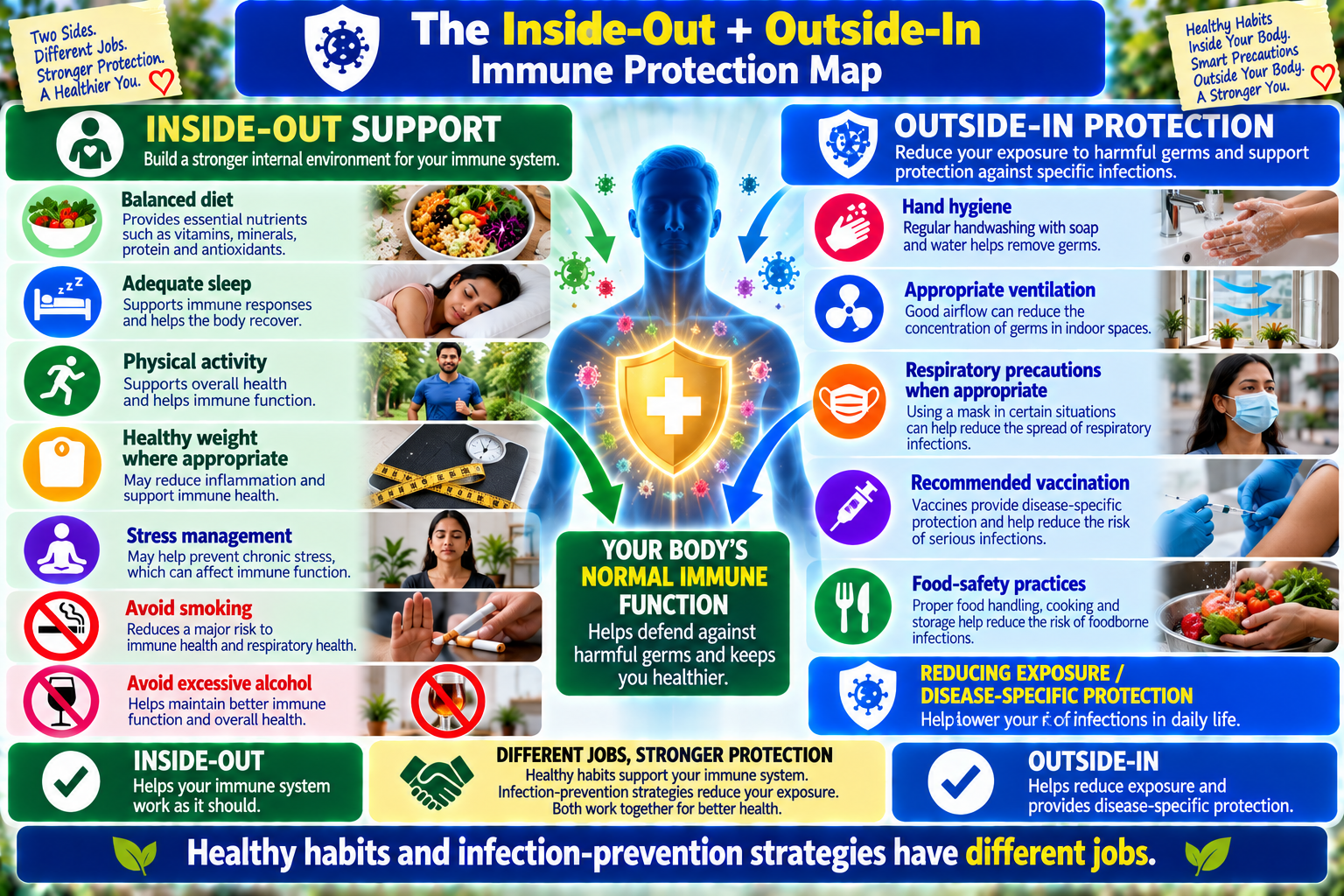
Healthy Habits Support Immunity — Vaccines Provide Specific Protection
This deserves its own section because “natural immunity” is frequently misunderstood online.
Healthy lifestyle habits support the overall functioning of your immune system.
Vaccines perform a different job.
The CDC explains that healthy habits cannot teach your body to recognize specific diseases, while vaccines train the immune system to recognize and fight particular infections. The two approaches can work together. CDC: healthy habits and vaccines
Therefore, an evidence-based immune-health plan should not suggest replacing recommended vaccination with supplements, herbal remedies, or dietary changes.
Healthy eating and vaccination are not competing strategies.
They address different aspects of protection.
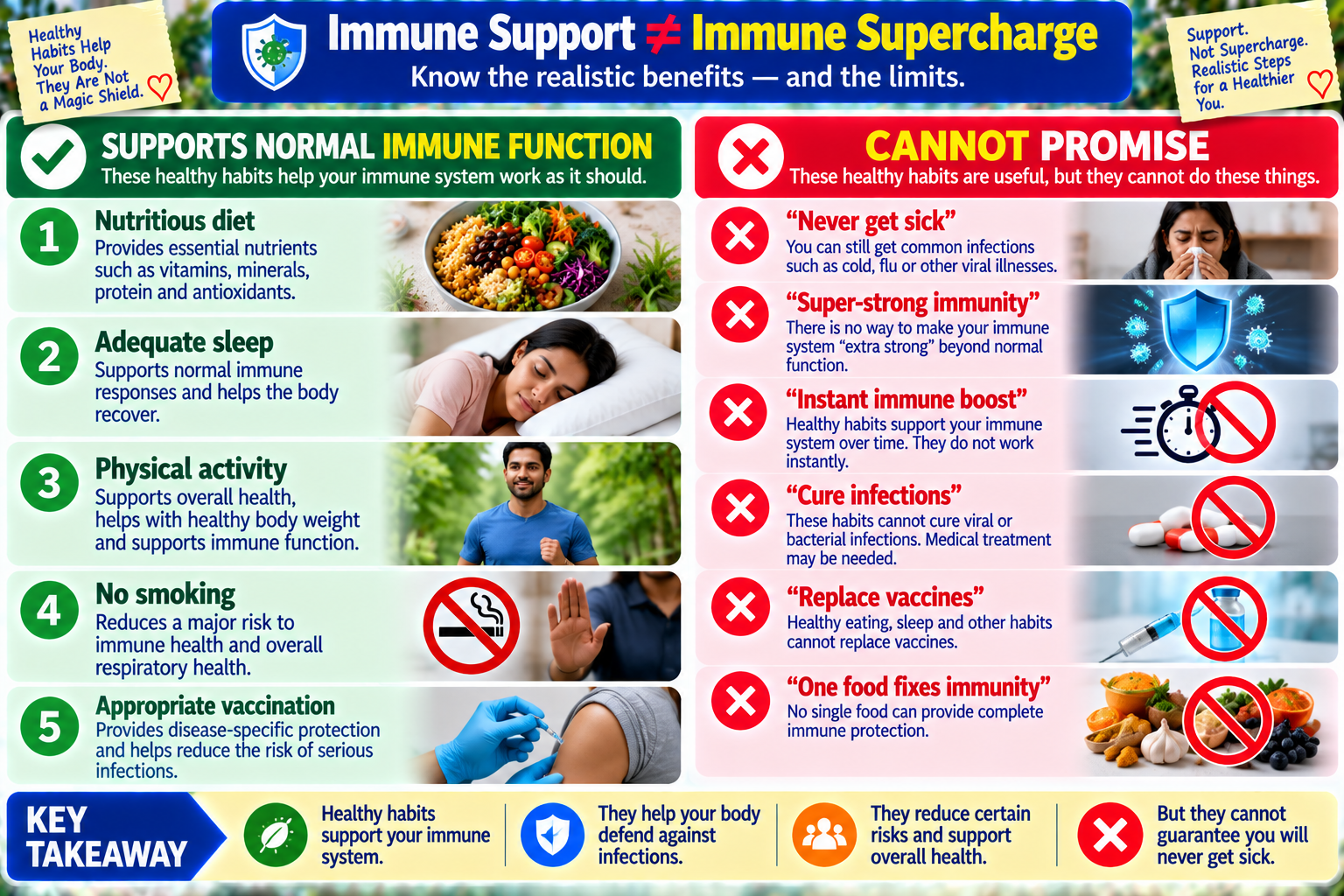
What Can These Habits Realistically Do?
| Habit | What it can realistically do | What it cannot promise |
|---|---|---|
| Balanced diet | Provides nutrients needed for normal immune function | Prevent every infection. |
| Adequate sleep | Supports immune regulation and recovery | Guarantee illness-free living. |
| Physical activity | Supports overall health and may benefit immune function | Make immunity “super strong.” |
| Healthy weight | Supports metabolic and immune health | Eliminate disease risk |
| Stress management | Supports overall well-being and healthy routines | Remove all stress. |
| Gut-friendly dietary variety | Supports nutritional quality and gut ecosystem | Cure immune disorders |
| No smoking | Removes a major health risk | Eliminate respiratory infections. |
| Limiting excess alcohol | Avoids alcohol-related immune effects | Prevent all illness. |
| Hand hygiene | Reduces exposure to pathogens | Strengthen immune cells directly. |
| Vaccination | Provides disease-specific protection | Replace healthy lifestyle habits. |
| Appropriate supplements | Corrects or prevents certain deficiencies | Replace a varied diet. |
This distinction is one of the strongest ways to make an article about natural immune support more scientifically responsible.
A Simple Immune-Supporting Plate for Indian Readers
You do not need expensive imported “health foods.”
A practical Indian meal can be built around familiar ingredients.
1. Example: Dal-Based Meal
- Dal
- Seasonal vegetable
- Roti or rice
- Curd if tolerated
- Fruit later in the day
2. Example: Chickpea Meal
- Chana
- Mixed vegetable sabzi
- Roti
- Salad
- Plain yogurt if appropriate
3. Example: Breakfast
- Oats
- Banana or another fruit
- Nuts or seeds
- Milk or yogurt, depending on dietary preference
WHO India emphasizes dietary variety and combinations of staple foods, legumes, vegetables, fruits, and suitable animal-source foods according to individual needs and local food patterns. WHO India healthy diet recommendations
The goal is not to create a perfect plate at every meal.
Aim for a nutritious pattern across the day and week.
Unique People-First Strategy: The “Immune Friction Audit”
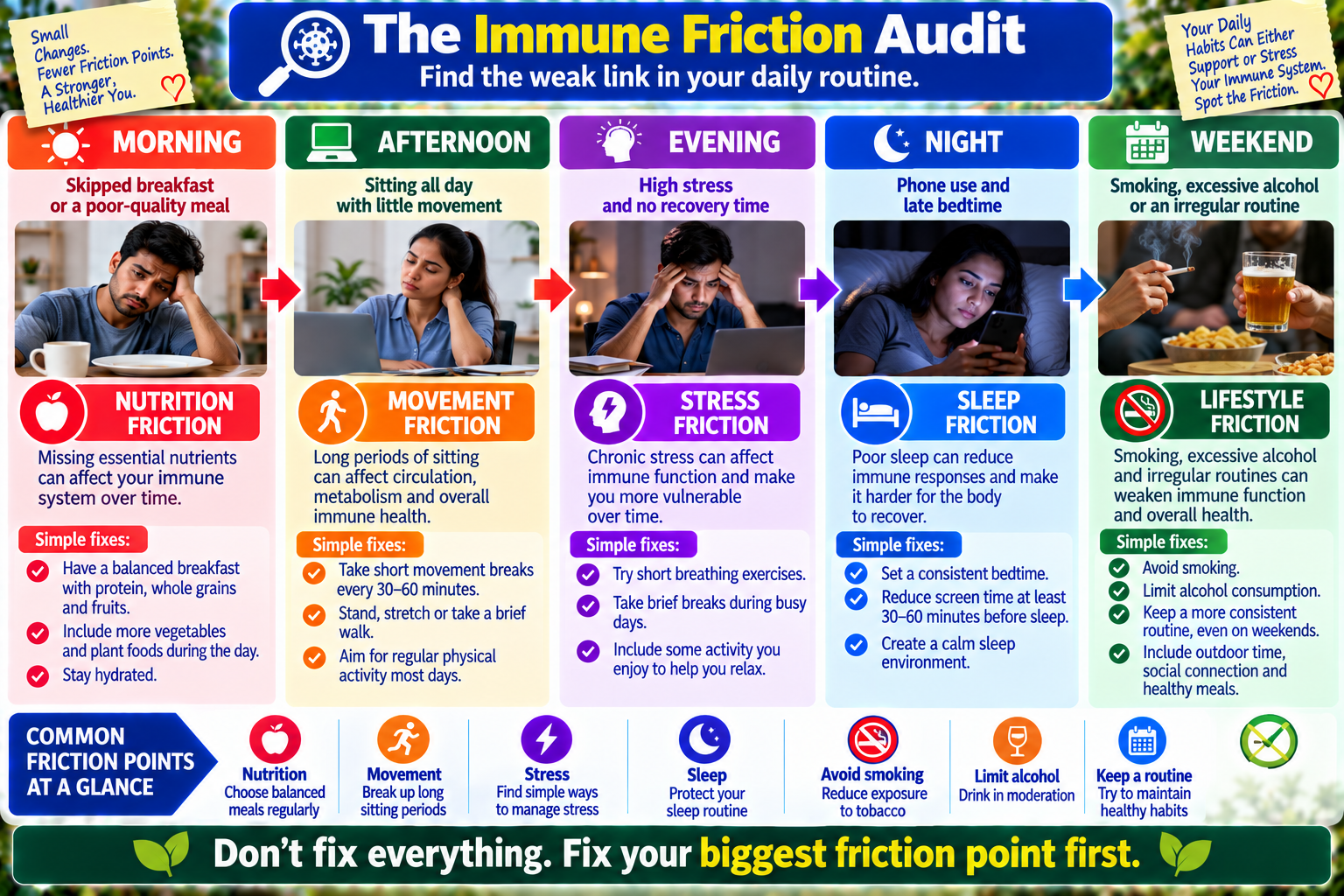
One practical approach that is often more useful than adding another wellness product is to identify what repeatedly prevents you from following healthy habits.
Ask yourself:
| Problem | Possible solution |
|---|---|
| I skip breakfast and overeat later. | Keep a simple protein-rich option available. |
| I sleep late because of my phone. | Create a phone-free bedtime period. |
| I never exercise because workouts feel too long. | Start with a 10-minute walk. |
| I eat few vegetables. | Add one vegetable to lunch and dinner. |
| I rely heavily on packaged snacks. | Keep fruit, roasted chana, or nuts available |
| I forget to drink fluids. | Keep a bottle nearby. |
| Stress makes me abandon routines. | Use a minimum-version routine. |
| I keep buying supplements. | Review whether you actually have a nutritional need. |
This is a more sustainable form of natural immune system support.
The best routine is usually the one you can repeat.
Another Practical Remedy: The “Minimum Immune Routine”
On difficult days, reduce the routine rather than abandoning it.
Your minimum version could be
Morning: Eat a balanced breakfast.
Daytime: Take a short walk.
Meals: Add vegetables or fruit.
Evening: Avoid unnecessary alcohol and smoking.
Night: Protect enough time for sleep.
This approach prevents the common all-or-nothing pattern.
You do not need to perform every healthy habit perfectly every day.
Common Mistakes That Can Work Against Immune Health
Mistake 1: Looking for a single superfood
No food can replace dietary variety.
Mistake 2: Taking high-dose supplements without a reason
More is not automatically better, and excessive amounts of some nutrients can cause harm.
Mistake 3: Treating hydration as an immune booster
Adequate fluid intake supports normal body functions, but drinking excessive water does not make the immune system stronger.
Mistake 4: Believing that sunlight should always be taken for a fixed number of minutes
Vitamin D status depends on multiple factors, including skin characteristics, location, season, and other circumstances. A universal “10–20 minutes of sunlight” prescription is therefore inappropriate.
Mistake 5: Exercising intensely every day
Recovery is part of training.
Mistake 6: Ignoring sleep while focusing on supplements
A supplement cannot compensate for a chronically poor sleep routine.
Mistake 7: Assuming “natural” means safe
Natural products can have side effects and can interact with medications. Mayo Clinic notes that some natural remedies may not have strong evidence and that safety depends on the individual and the product. Mayo Clinic: Natural Health Remedies
Mistake 8: Replacing vaccination with natural remedies
Healthy lifestyle habits and vaccines have different roles.
Latest Research Developments in Immune Health
Research into immune health is becoming more sophisticated.
Researchers increasingly recognize that immune function cannot be represented by one simple laboratory number.
Nutrition Is Being Studied as a Whole Pattern
Recent work continues to examine how dietary patterns influence the gut microbiome and how those interactions may affect immune and metabolic pathways. Researchers also emphasize that individual responses can differ substantially. 2025 review on the gut microbiome and nutrition
This is why the future of nutrition research is moving beyond simplistic claims such as “eat food X to boost immunity.”
The Gut–Immune Connection Is Becoming More Detailed
A 2025 review described the interaction among diet, gut microorganisms, and the mucosal immune system as an important area of research, while also noting that much of the mechanistic evidence is still being developed. Recent research on diet, gut microbiota, and mucosal immunity
This supports a sensible recommendation: improve overall dietary quality rather than becoming obsessed with one probiotic food.
Exercise Research Is Also More Nuanced
Current evidence does not support a simple statement that every workout dramatically increases immune function.
A 2025 randomized-trial meta-analysis found that effects of aerobic exercise differed according to population and immune measure. Exercise and immune components: 2025 systematic review and meta-analysis
Meanwhile, CDC guidance continues to recognize physical activity as an important part of healthy living and notes emerging evidence for immune benefits. CDC physical activity and immune function
Sleep Remains an Important Research Area
Recent research continues to examine how sleep loss interacts with inflammation and immune responses. A 2026 meta-analysis found stronger inflammatory changes with repeated partial sleep deprivation than with a single night of sleep loss. 2026 sleep deprivation meta-analysis
The practical lesson is straightforward: occasional imperfect sleep is part of life, but persistent sleep restriction deserves attention.
Supplements Are Being Studied More Carefully
Researchers continue to investigate vitamin C, vitamin D, zinc, probiotics, and other substances.
However, NIH guidance emphasizes the difference between correcting a deficiency and taking additional nutrients when nutritional status is already adequate. NIH Office of Dietary Supplements immune-function evidence
That distinction protects readers from one of the biggest problems in online immune-health content: turning preliminary research into supplement recommendations.
A 7-Day Immune Health Starter Plan
Day 1
Add one extra serving of vegetables to your normal meals.
Day 2
Protect your bedtime and aim for adequate sleep.
Day 3
Take a 20-minute comfortable walk.
Day 4
Add a legume such as dal, chickpeas, or beans to one meal.
Day 5
Replace one highly processed snack with fruit, nuts, or another minimally processed option.
Day 6
Spend time with someone supportive and take a break from unnecessary digital stimulation.
Day 7
Review your week and choose the three habits that were easiest to maintain.
Do not attempt to transform everything simultaneously.
Consistency matters more than intensity.
When Should You Talk to a Doctor?
Healthy habits are useful, but they should not become a substitute for medical evaluation.
Speak with a healthcare professional if you experience:
- Frequent or unusually severe infections.
- Infections that repeatedly require medical treatment.
- Persistent fever.
- Unexplained weight loss.
- Severe or prolonged fatigue.
- Recurrent pneumonia or other serious infections.
- Persistent digestive symptoms.
- Slow wound healing.
- Symptoms that continue despite reasonable lifestyle changes.
A pattern of repeated illness can have many explanations, including medical conditions, medications, nutritional deficiencies, environmental exposure, and sleep problems.
Taking another “immune booster” is not necessarily the answer.
Frequently Asked Questions
What is the best natural way to support your immune system?
There is no single best food or remedy. A combination of adequate sleep, nutritious food, physical activity, avoiding tobacco, limiting excessive alcohol, managing stress, and maintaining appropriate preventive healthcare provides a stronger evidence-based foundation.
Can vitamin C boost immunity?
Vitamin C is important for normal immune function, but taking large doses does not automatically create stronger immunity. NIH guidance emphasizes the importance of adequate intake and the difference between correcting deficiency and unnecessary supplementation. NIH vitamin and immune-function guidance
Does exercise strengthen the immune system?
Regular physical activity supports overall health and may benefit immune function. However, immune responses to exercise are complex, and more intense exercise is not always better. CDC physical activity guidance
Does sleeping more improve immunity?
Adequate sleep supports immune function. Most adults need at least seven hours, although individual sleep needs vary. CDC immune-health sleep guidance
Can gut health affect immunity?
The gut microbiome interacts with nutrition and the immune system, and this is an active area of research. However, no single food or probiotic can be guaranteed to “boost immunity.” Recent gut microbiome and nutrition research
Do immune-boosting supplements really work?
They can be useful when they correct a genuine nutritional deficiency or meet a specific medical need. For people without deficiencies, NIH notes that routine increases in vitamin and mineral intake through supplements generally do not prevent infections or speed recovery. NIH Office of Dietary Supplements
Does sunlight boost immunity?
Sunlight contributes to vitamin D production under appropriate conditions, but exposure needs vary considerably. There is no universal safe number of minutes that applies to everyone.
Can healthy habits replace vaccines?
No. Healthy habits support general immune health, while vaccines provide specific protection against particular diseases. CDC immune health and vaccines
People-First Insight
One of the biggest mistakes in wellness content is making healthy living sound complicated.
- You do not need a cupboard full of supplements.
- You do not need imported superfoods.
- You do not need a perfect diet.
- You need a routine that works when life becomes busy.
For one person, that may mean eating dal and vegetables more regularly. For another, it may mean stopping the habit of sacrificing sleep for late-night phone use. Someone else may benefit most from quitting smoking or becoming more physically active.
The right starting point depends on the gap in your current routine.
That is why supporting immune health naturally is better approached as a lifestyle system rather than a collection of miracle remedies.
Personal Experience: A Practical Lesson
In everyday health routines, one lesson becomes clear: complicated plans are easy to start but difficult to maintain.
A simpler approach is to improve one behavior that is already connected to your normal day.
For example, adding vegetables to a familiar lunch is easier than creating an entirely new diet. Walking after a regular meal can be easier than committing to a demanding workout program. Protecting bedtime can be more realistic than trying to compensate for poor sleep with supplements.
That practical approach also makes healthy habits easier to continue during busy periods.
The goal is not perfection but creating a healthier baseline that feels realistic and sustainable enough to repeat.
Author Note
This article is designed around evidence-based lifestyle strategies rather than “miracle” immune-boosting claims.
The focus is on practical nutrition, sleep, movement, stress management, infection prevention, and appropriate use of supplements.
Scientific understanding of immune health continues to evolve, particularly in areas such as the gut microbiome, personalized nutrition, exercise immunology, and vaccine response.
Medical Disclaimer
This article is for general educational purposes and is not a substitute for personalized medical advice, diagnosis, or treatment.
Do not use this information to replace prescribed medicines, vaccination recommendations, medical testing, or professional healthcare.
If you have a chronic disease, take medications, are pregnant or breastfeeding, have a diagnosed nutritional deficiency, or experience frequent or severe infections, discuss immune-health strategies and supplements with a qualified healthcare professional.
Fitness Disclaimer
Physical activity should be appropriate for your current health, fitness level, and physical limitations.
Start gradually if you have been inactive. Stop exercising and seek appropriate medical advice if you experience severe chest pain, fainting, unusual shortness of breath, or other concerning symptoms.
People with significant medical conditions should obtain individualized exercise guidance before beginning a new training program.
Research Methodology
This article prioritizes evidence from government health agencies, major medical organizations, and peer-reviewed research.
The evidence base was reviewed with particular attention to current 2025–2026 guidance and research concerning immune health, nutrition, sleep, physical activity, supplements, and the gut microbiome.
Priority was given to CDC, NIH Office of Dietary Supplements, WHO, Mayo Clinic, and PubMed-indexed systematic reviews and meta-analyses.
Where evidence remains uncertain, the article avoids presenting preliminary findings as established facts.
Sources
- CDC—Support Your Immune Health
- CDC — Healthy Habits: Enhancing Immunity
- NIH Office of Dietary Supplements — Immune Function and Infectious Diseases
- WHO—Healthy Diet
- WHO India — Healthy Diet
- CDC — Health Benefits of Physical Activity for Adults
- Mayo Clinic — Nutritional Supplements
- 2026 PubMed meta-analysis — Sleep Deprivation and Inflammation
- 2025 PubMed systematic review — Aerobic Exercise and Immune Components
- 2025 PubMed review—Gut Microbiome, Nutrition, and Human Health
Final Thoughts
Supporting your immune system naturally is less about finding a powerful remedy and more about creating favorable conditions for normal immune function.
A varied diet provides essential nutrients. Adequate sleep supports recovery and immune regulation. Physical activity contributes to overall health. Avoiding tobacco reduces an important health risk. Limiting excessive alcohol protects against another preventable stressor.
Gut health is best approached through overall dietary quality rather than one fashionable probiotic food. Supplements have a role when nutritional needs are not being met, but more is not automatically better. NIH guidance on supplements and immune function
Perhaps the most important change is to stop thinking about immunity as something that can be switched on overnight.
Your immune system is already working continuously.
Your job is to give it a supportive environment through sustainable habits, appropriate preventive care and evidence-based decisions.
The strongest immune-health routine is therefore not the most complicated one.
It is the one you can realistically maintain.
Similar Topics
- Best 7 Health Benefits Of Exercise
- Nutrient-8 Dense Foods for Immune System Support: A Comprehensive Guide to Boosting Your Immunity Naturally
- 13 Best Ways To Boost Metabolism With Exercise
- Natural Remedies for Boosting Immunity with Plants: A Comprehensive Guide
- 9 Benefits Of Regular Exercise And Fitness
- Healthy Habits Category
- Home
Post Views: 1,657